I am an award-winning instructor with nearly a decade of experience teaching and mentoring diverse student populations. As a professor, I employ a dynamic, student-centered teaching agenda that emphasizes the development of students’ technical abilities in writing, analysis, and research, as well as their creativity, critical thinking, and cultural competence. I strive to link theory to real-world engagement and tailor my discussions, lectures, assignments, and evaluations to learners from many walks of life, perspectives, and learning styles. Outside of the classroom I have also mentored six first-generation Latinx undergraduate students as research assistants, involving the students in my research projects. Of the students I have worked with, three have gone on to pursue graduate studies in the social sciences or humanities.
Student Research & Honors Program
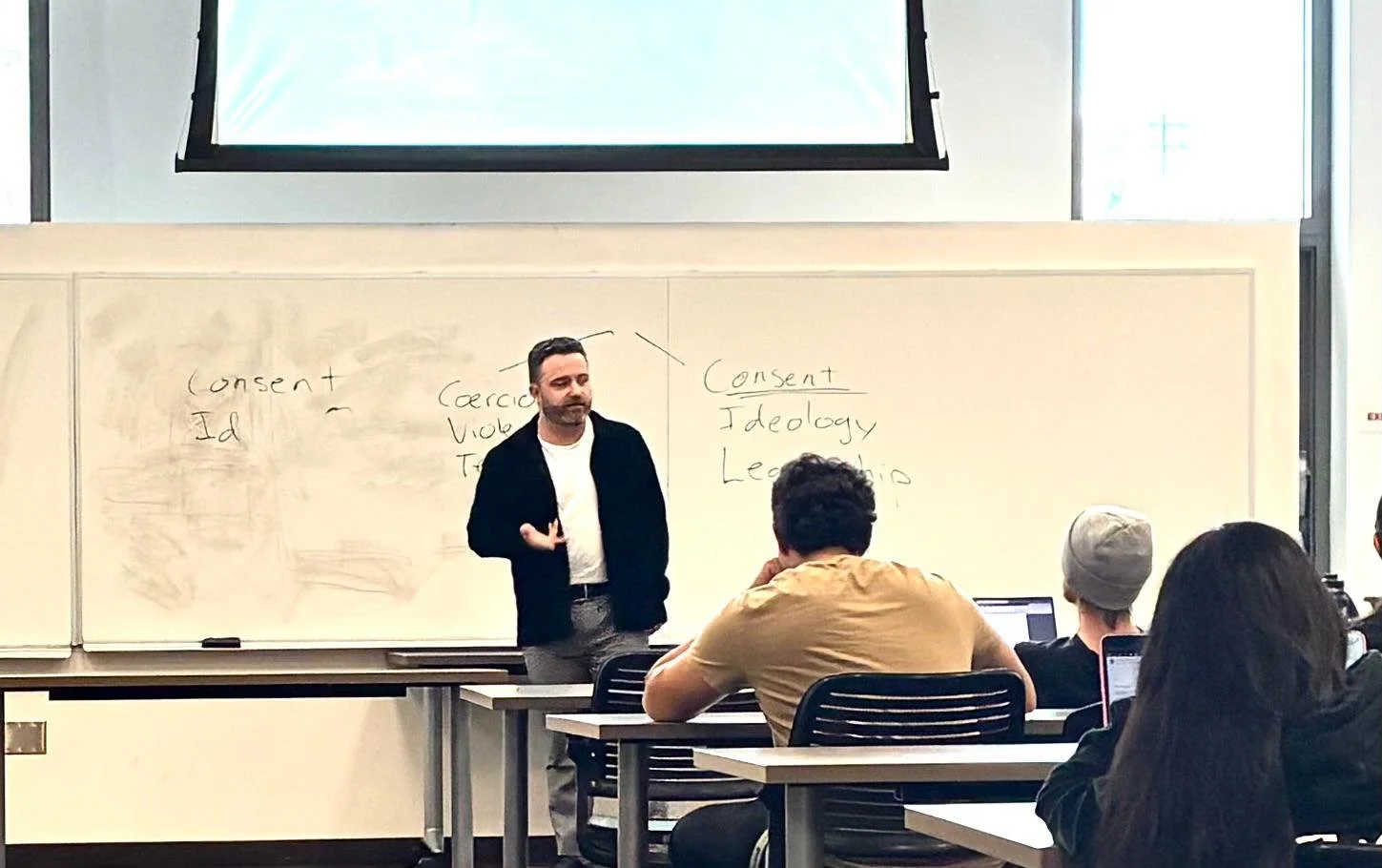
In my Honors Introduction to Sociology courses at Fullerton College, I integrate a scaffolded research sequence that guides students from initial topic development to conference-ready projects. Through this process, students produce original research portfolios grounded in sociological theory and peer-reviewed scholarship.
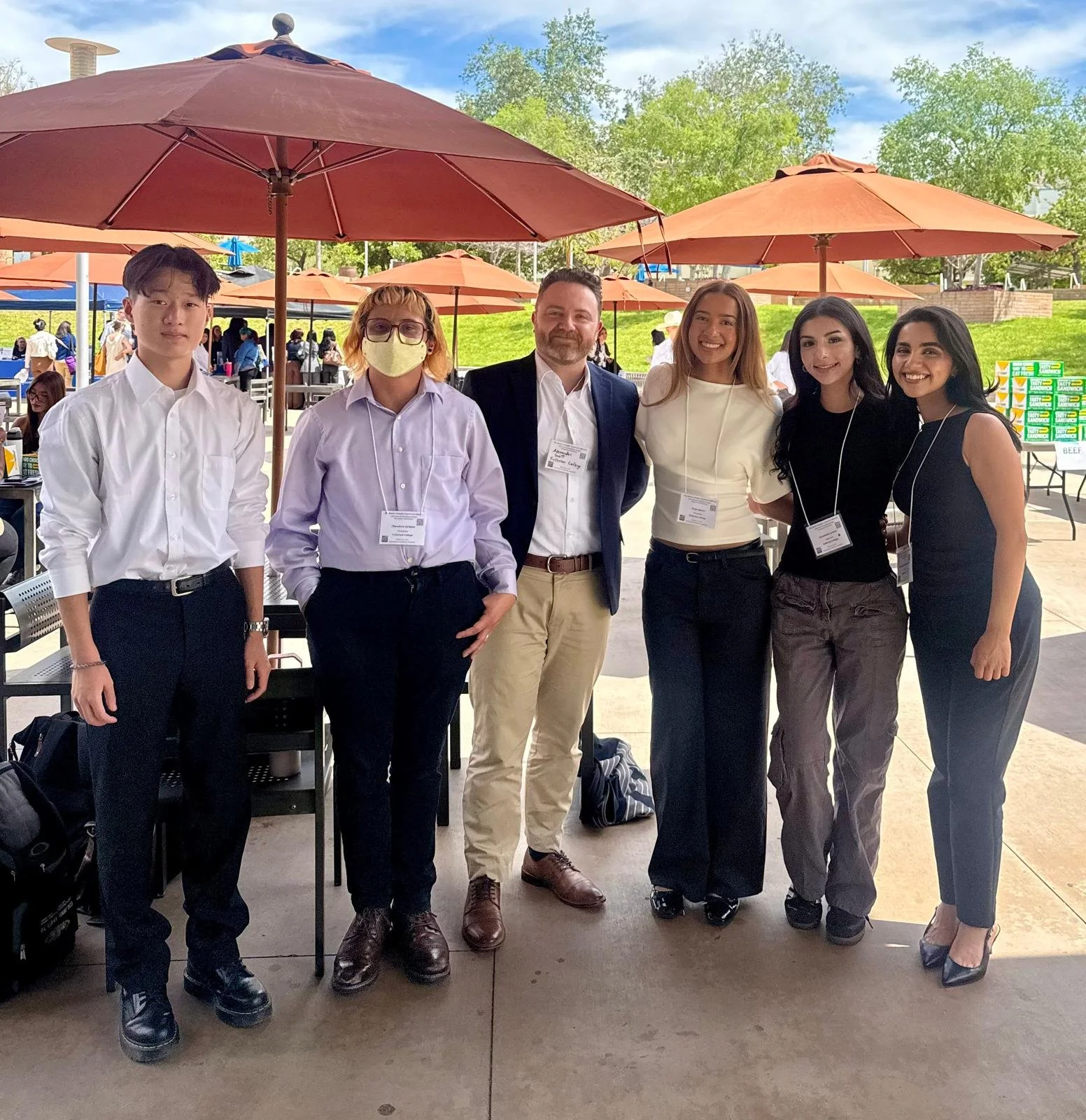
Many of these projects are accepted for presentation at the Honors Transfer Council of California Conference, where students present their work to a broader academic audience. For many, this represents their first experience conducting and presenting research in a professional setting.
This work is especially meaningful in the context of community college education, where many of my students are first-generation college students. By emphasizing research, writing, and public presentation, I aim to equip students with the skills and confidence necessary to succeed in their academic and professional trajectories.
Student Outcomes
Students develop original research projects grounded in sociological theory and peer-reviewed scholarship
Completion of full research portfolios (proposal → annotated bibliography → literature review → final paper)
Strong emphasis on supporting first-generation and community college students
Experience presenting research in a professional academic setting
Research Process
Topic selection and research question development
Guided use of library databases and peer-reviewed sources
Annotated bibliography and source evaluation
Literature review and synthesis of scholarly debates
Final research paper grounded in sociological analysis
Preparation for conference-style presentations
Beyond the Classroom
This approach helps students move beyond passive learning by engaging directly in the production of knowledge. Through research and presentation, students build:
Critical thinking and analytical skills
Academic research and writing proficiency
Confidence in public speaking and presenting ideas
A stronger foundation for transfer, upper-division coursework, and graduate study
For many students, this is their first opportunity to see themselves as researchers—an experience that can be transformative for their academic and professional trajectories.
Selected Student Papers
Racial Capitalism: Dominance, Inequality, and Abolitionist Resistance.
Examines how racial capitalism produces and sustains systemic inequality through the exploitation of racialized labor. Drawing on critical race and political economy perspectives, it explores how abolitionist movements challenge these structures and imagine alternative social arrangements.
Antes de Que Nos Olviden, Haremos Historía: State Violence and Authoritarianism in Cold War Mexico
Analyzes the 1968 Tlatelolco Massacre within the broader context of Cold War politics, demonstrating how the Mexican state deployed violence and repression to suppress dissent and maintain authoritarian control.
Defacto Discrimination in Higher Education: How Socioeconomic status shapes student access, identity, and opportunity.
Investigates how socioeconomic inequality structures access to higher education and shapes students’ academic experiences. It highlights how institutional practices and resource disparities reproduce inequality, influencing students’ sense of belonging, identity, and long-term opportunities.
The Impact of Social Media on Modern Dating: A review of the sociological research literature on young adults
Synthesizes sociological research on how social media platforms are transforming dating practices among young adults. It examines how digital technologies reshape intimacy, communication, and relationship formation in contemporary society.
Understanding Unhoused Transgender Populations
Explores the structural conditions that contribute to disproportionately high rates of homelessness among transgender individuals. It examines the intersecting impacts of discrimination, economic marginalization, and barriers to social services, while also highlighting strategies of resilience and survival.
Courses Taught
Introduction to Sociology
Modern Sociological Theory
Social Change in Latin America
Introduction to Latin American Studies
Sociology of Race and Ethnicity
Social Problems
World Systems and Globalization
Deviance and Social Control
Globalization and Development